



Winter can be tough on your skin. Cold wind, indoor heating, and sudden temperature changes often lead to dryness, flaking, and irritation. But with a few smart changes to your routine, you can keep your skin soft, hydrated, and glowing all season long. Here are the best winter skin care tips to protect your skin from the cold.
A Simple Winter Morning and Evening Routine
Build your winter routine around a few consistent steps, then adjust it to how your skin feels.
Morning
- Cleanse gently as needed.
- Apply moisturizer.
- Finish with broad-spectrum SPF 30 or higher on exposed skin.
Evening
- Gently remove makeup, sunscreen, and daily buildup.
- Apply moisturizer after cleansing.
- Use a non-irritating lip balm before bed.
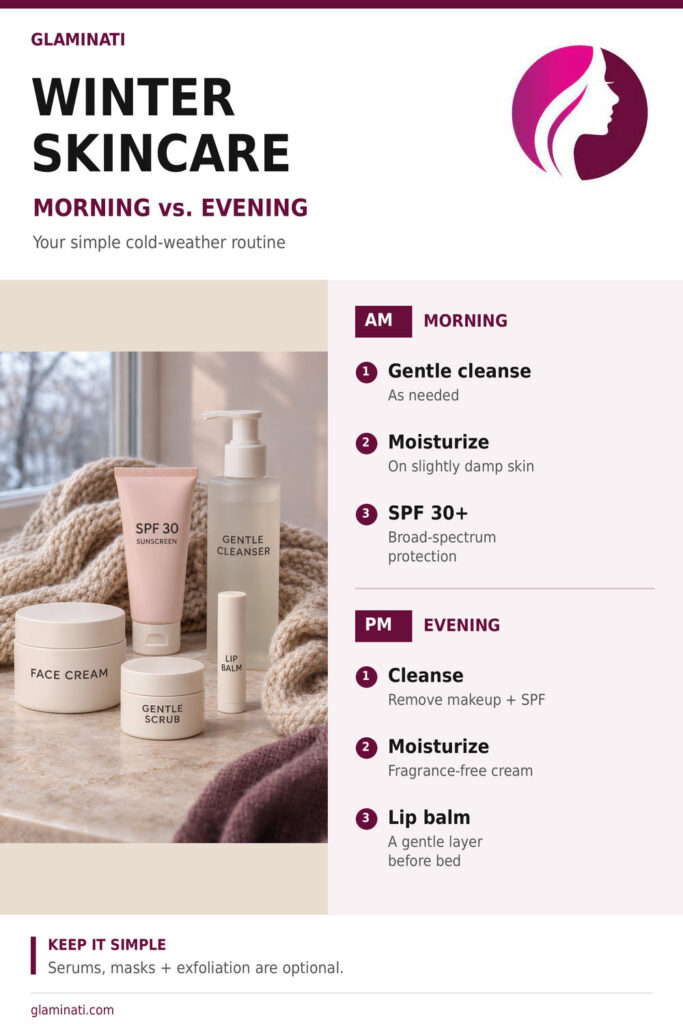
Hydrating serums and masks are optional extras. If you use prescribed skincare, follow your clinician’s instructions rather than replacing it with this basic routine.
Choose a Gentle, Nourishing Cleanser
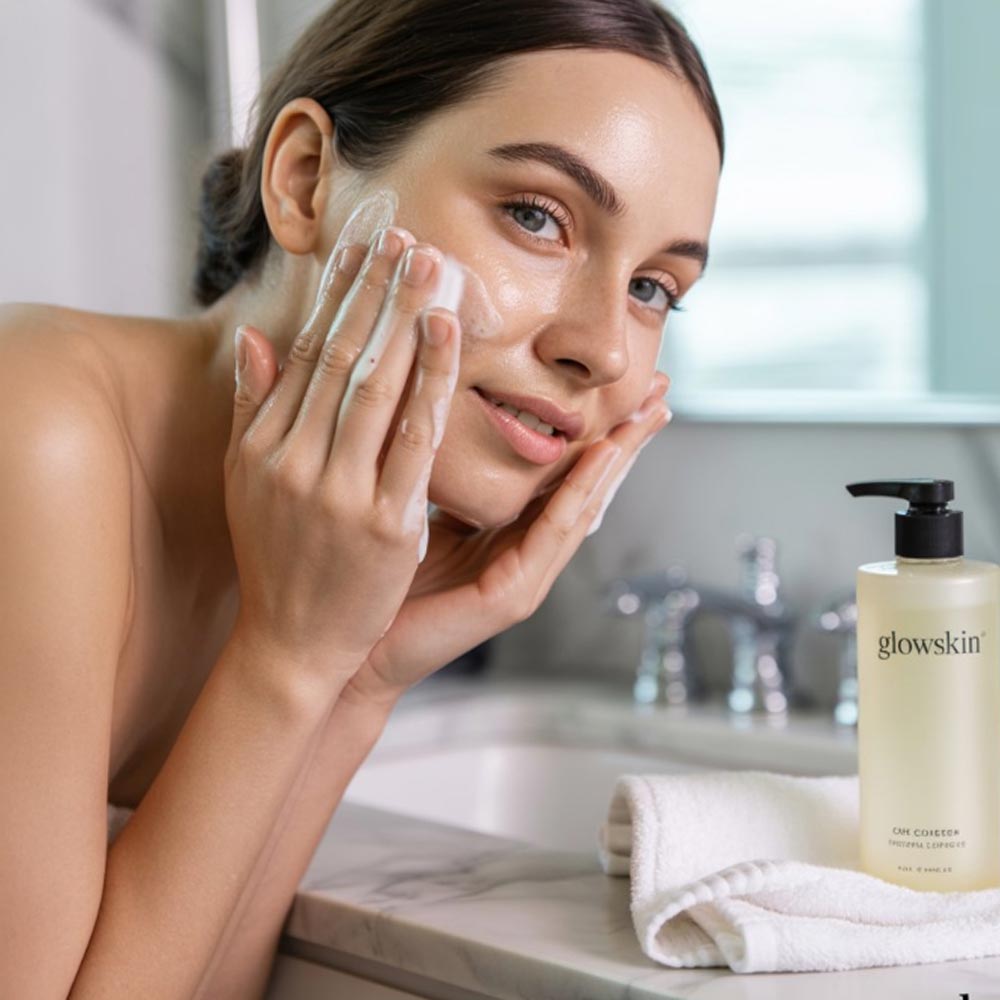
If your skin feels tight after washing, try a gentle, fragrance-free cleanser. Creamy or milky formulas can be comfortable options for dry skin, but choose based on how your skin responds rather than texture alone. Massage lightly with your fingertips, rinse with lukewarm water, and pat dry without rubbing.
Bonus tip: “Unscented” does not always mean fragrance-free. Check the label, especially if your skin is sensitive.
Upgrade to a Richer Moisturizer
If your usual moisturizer leaves your skin feeling dry, try a richer, fragrance-free cream. Look for ingredients such as glycerin and hyaluronic acid to attract moisture, ceramides to support the skin barrier, and dimethicone to help reduce moisture loss. Apply while your skin is still slightly damp after washing.
Bonus tip: Adjust the texture to your skin’s needs. If you are prone to breakouts, look for a product labeled non-comedogenic.
Use a Humidifier to Combat Indoor Dryness
Heated rooms often have dry air that can leave skin feeling uncomfortable. A humidifier can help add moisture to your bedroom or workspace. Follow the manufacturer’s instructions for placement, water changes, and cleaning, and avoid letting condensation build up on windows or nearby surfaces.
A humidifier complements your skincare routine—it does not replace moisturizer.

Don’t Forget SPF, Even in Winter

Cold weather does not eliminate UV exposure, and snow can reflect sunlight. Finish your morning routine with a broad-spectrum, water-resistant sunscreen with SPF 30 or higher on exposed skin, including your face, neck, ears, and hands. Apply after moisturizer and follow the product’s directions.
Bonus tip: When spending time outdoors, reapply about every two hours and after sweating or wiping your skin. Sunglasses and protective clothing add extra protection.
Exfoliate Only When Your Skin Can Tolerate It
Flaking is not always a sign that your skin needs exfoliation. If it feels tight, sore, or irritated, focus on gentle cleansing and moisturizing instead. When your skin is comfortable, exfoliation can be optional—choose a method suited to your skin and follow the product’s instructions rather than a fixed weekly schedule.
Bonus tip: Scrubs and exfoliating acids can add irritation, especially alongside retinol or acne treatments. Avoid exfoliating cracked or broken skin.
Keep Your Hydration Routine Simple
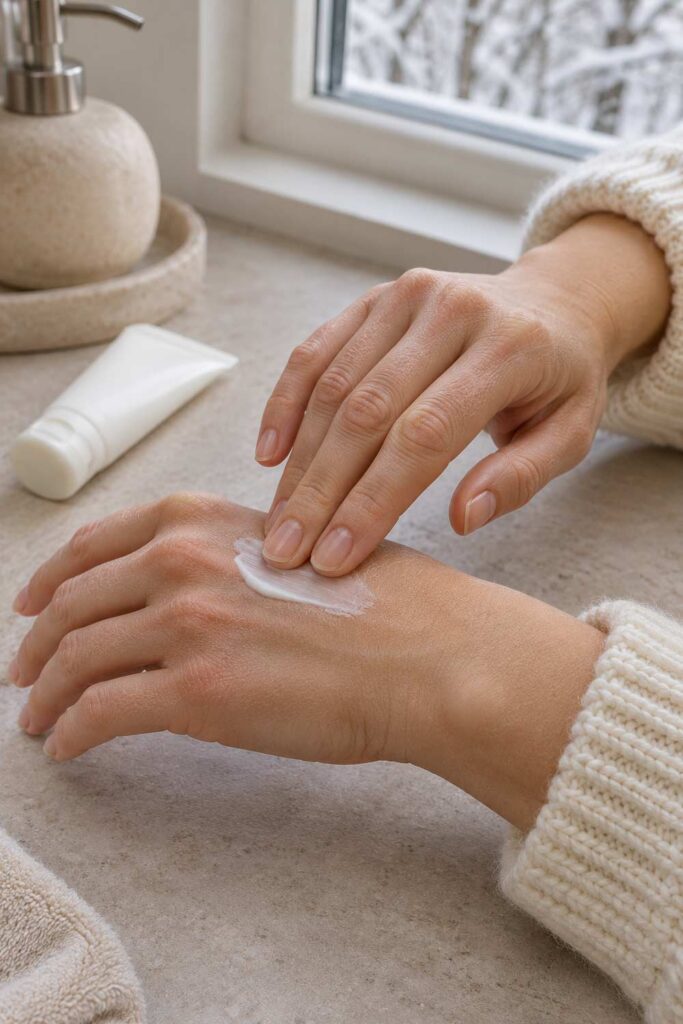
You do not need a long lineup of products to care for winter skin. Start with a gentle cleanser, moisturizer, and daytime sunscreen. A hydrating serum can be an optional addition if your skin tolerates it, but toners, essences, and facial oils are not essential steps.
Bonus tip: Introduce one new product at a time. If your skin becomes uncomfortable, simplify your routine instead of adding more layers.

Make Overnight Hydration an Optional Extra
A separate sleeping mask is optional. Before buying one, see whether your usual fragrance-free moisturizer keeps your skin comfortable overnight. If you enjoy an overnight mask, choose a gentle formula suited to your skin and use it as directed. Avoid layering several rich products at once, particularly if you are prone to breakouts.
Show Your Lips Some Love

Apply a fragrance-free, non-irritating lip balm throughout the day and before bed. For very dry, cracked lips, plain white petroleum jelly can help seal in moisture. Before going outdoors, choose a lip balm with SPF 30 or higher and reapply regularly.
Stay Hydrated Without Expecting Water to Do It All
Remember to drink regularly even when cold weather makes you feel less thirsty. Keep water within reach and include a variety of foods in your meals. Avoid treating a fixed number of glasses or a particular “glow-boosting” food as a universal solution for winter dryness.
Keep Showers Short and Lukewarm

A long, hot shower can make winter dryness worse. Keep showers or baths to about five to ten minutes and use comfortably warm water. Choose a mild, fragrance-free cleanser and avoid vigorous scrubbing. Afterward, gently pat your skin with a soft towel and apply body moisturizer while it is still slightly damp.
Bonus tip: Keep your moisturizer near the shower so this step is easy to remember.
Take Care of Hands and Feet
These areas are often neglected, but they’re some of the first to show signs of dryness. Use a thick, nourishing hand cream after every wash, and apply a foot balm or body butter before bed. Cotton gloves or socks overnight help lock in the moisture.
Cold weather doesn’t have to mean dry, unhappy skin. By following these winter skin care tips, you can enjoy soft, radiant, and healthy skin all season. A few smart swaps and extra TLC can make a big difference — and your skin will thank you.

When Dry Skin Needs More Than Moisturizer
If gentle cleansing and regular moisturizing do not help, or dryness keeps returning, consider seeing a dermatologist. Painful cracks, bleeding, persistent itching, or a rash deserve attention. What looks like ordinary winter dryness may need a different approach, particularly if you have eczema or another skin condition.
Was this article helpful?